Japan Cherry Blossom (Sakura) 2026: Forecast, Best Viewing Spots & Tour Guide


Japan's 2026 Cherry Blossom (Sakura) season generally peaks between late March and early April across Tokyo, Kyoto, and Osaka. Tokyo's blossoms typically open around March 22–24 with 'mankai' (full bloom) between March 29 and April 4. Because sakura season is Japan's most celebrated international travel period, flight bookings and hotel reservations must be finalized at least 5 to 7 months in advance.
Key Trip Takeaways
- 1Peak Bloom Timing: Late March to early April for Tokyo, Kyoto, and Osaka. Northern regions (Sendai, Aomori, Hokkaido) bloom later in mid-to-late April.
- 2Book 6 Months Ahead: Hotels in Kyoto and Tokyo routinely achieve 98% occupancy during sakura week, with prices doubling closer to departure.
- 3Top Sakura Spots: Meguro River (Tokyo) for illuminated night blossoms, Shinjuku Gyoen for sprawling picnics, and the Philosopher's Path (Kyoto) for tranquil canal walks.
- 4Hanami Culture: Join locals in the centuries-old tradition of Hanami (flower-viewing picnics) with bento boxes, sakura mochi, and green tea under blooming canopies.
2026 Cherry Blossom Blooming Calendar by City
The flowering front ('sakura zensen') moves gradually from the warmer south of Japan toward the cooler north. Here is the historical expected schedule:
| Region / City | First Bloom (Kaika) | Full Bloom (Mankai) | Top Recommended Viewing Location |
|---|---|---|---|
| Tokyo | March 22 – 24 | March 29 – April 4 | Shinjuku Gyoen, Meguro River, Ueno Park |
| Kyoto | March 24 – 26 | March 31 – April 6 | Philosopher's Path, Maruyama Park, Arashiyama |
| Osaka | March 25 – 27 | April 1 – April 7 | Osaka Castle Park, Kema Sakuranomiya Park |
| Fuji Five Lakes (Kawaguchiko) | April 4 – 6 | April 11 – 17 | Chureito Pagoda, Lake Kawaguchiko north shore |
| Hiroshima | March 23 – 25 | March 30 – April 5 | Peace Memorial Park, Miyajima Island |
| Hokkaido (Sapporo) | April 26 – 28 | May 2 – May 7 | Maruyama Park Sapporo, Goryokaku Fort (Hakodate) |
Hanami Etiquette: Essential Rules for Visitors
Hanami is a joyful communal tradition, but strict Japanese cultural etiquette applies:
1. Never touch or snap the cherry blossom branches. Shaking the tree to make petals fall is considered disrespectful.
2. Carry a blue or green picnic sheet and remove your shoes before stepping onto it.
3. Take all your garbage with you. Public trash cans are scarce in Japan; carry a small plastic bag in your backpack to store wrappers and bottles until you return to your hotel.
4. Arrive early at popular parks like Yoyogi or Ueno to claim a spot respectfully without encroaching on neighboring groups.
Everything You Need to Know (FAQ)
Clear, honest answers to the most common questions travelers ask our team before booking.
Q:How long do cherry blossoms stay in full bloom?
From the moment the buds first open ('kaika'), it takes about 5 to 7 days to reach full bloom ('mankai'). The full bloom stage lasts for about 6 to 10 days before petals begin falling like snow ('sakura fubuki'), assuming there are no heavy rains or strong winds.
Q:Is it worth visiting Kyoto or Tokyo for cherry blossoms if it rains?
Yes! Temples in Kyoto (like Kiyomizu-dera and Nanzen-ji) look incredibly atmospheric in light rain. However, heavy rains can shorten the blooming window by knocking delicate petals off the branches.
Q:How much does a 7-day Japan cherry blossom tour cost?
A mid-range 7-day Japan sakura tour in 2026 typically costs between ₹1,60,000 and ₹2,30,000 per person including flights, 3-star/4-star hotels, Shinkansen bullet train passes, pocket Wi-Fi, and guided sightseeing.
Q:Do Indians need a visa for Japan?
Yes, Indian passport holders need a Japan tourist visa. You can now conveniently apply for the Japan eVisa online through VFS Global for single-entry short-term tourism stays of up to 90 days.
Q:What should you eat during sakura season in Japan?
Try seasonal delicacies like Sakura Mochi (sweet rice cake wrapped in a salted cherry leaf), Hanami Dango (three-colored sweet rice dumplings on a skewer), sakura-flavored matcha lattes, and limited-edition spring bento boxes sold at train station depachikas.
Kenji Sato & Aisha Khan
Specializes in international travel logistics, local operator compliance, and independent itinerary verification. Has personally inspected accommodations and tours across 35+ countries.
Related Travel Guides & Itineraries
Continue exploring handpicked advice and itineraries from our global network.
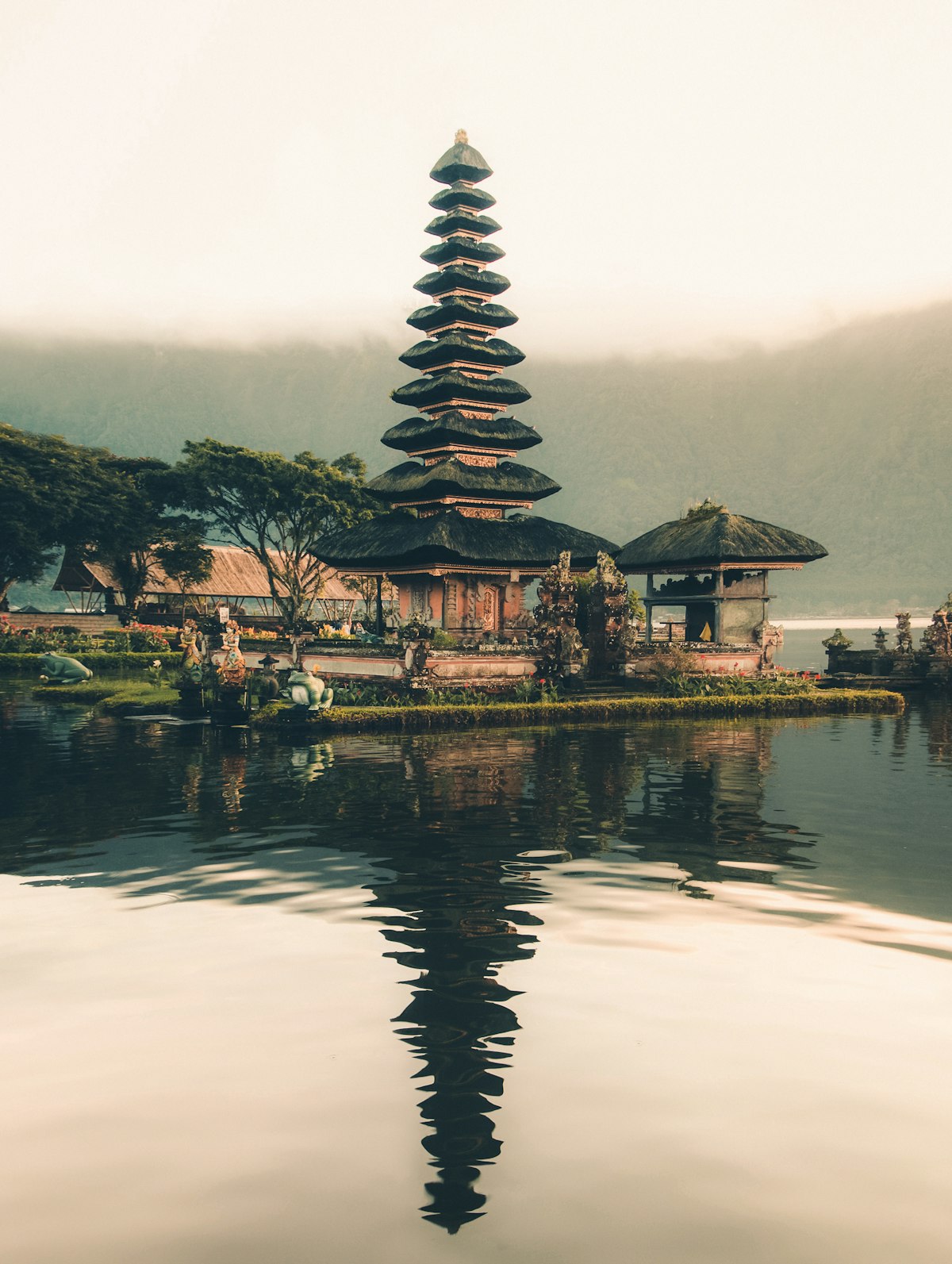
The best time to visit Bali is between April and October during the island's dry season. You will enjoy sunny skies, pleasant temperatures averaging 27°C–29°C (80°F–84°F), and relatively low humidity (around 65%–75%). For the best balance of low crowds, sunny beach days, and cheaper 4-star villa rates, plan your trip during the shoulder months of April, May, and September.

The ultimate 5-day Dubai itinerary balances record-breaking modern architecture with traditional Arabian heritage: Day 1 Downtown Dubai & Burj Khalifa, Day 2 Historic Al Fahidi & Gold/Spice Souks with Dhow Cruise, Day 3 Red Dunes Desert Safari with BBQ dinner, Day 4 Dubai Marina & Palm Jumeirah, Day 5 Museum of the Future & Dubai Frame. The best time to visit is November through March when daytime temperatures are mild (24°C–28°C).

Choose Santorini if you are traveling for a romantic honeymoon, dramatic volcanic caldera vistas, world-class cliffside dining, and historic boutique wineries. Choose Mykonos if you want world-famous beach club parties (Nammos, Scorpios), sandy golden swimming beaches, and glamorous whitewashed shopping alleys. The good news: high-speed catamarans connect the two islands in just 2 to 2.5 hours, making it easy to visit both!